
Engine starting technical articles
Practical engineering guidance on non-electric engine starting, covering how pneumatic, hydraulic and spring starter motors work, how to specify the right system for your application, and what standards like ATEX mean in practice.
Browse articles
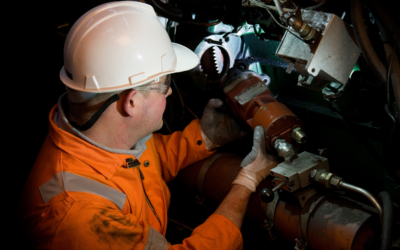
Inertia vs Pre-Engaged Starter Motors
The choice between an inertia and a pre-engaged starter comes down to how the pinion meets the ring gear. We explain how each works, the spark and safety differences, and which suits ATEX, fire pump and heavy diesel starting.
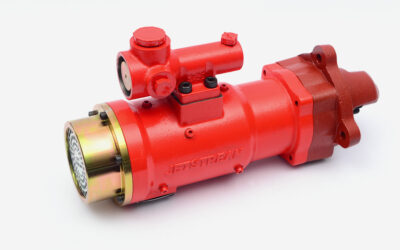
How Does an Air Starter Work? Air Turbine (Pneumatic) Starters Explained
An air starter cranks a large engine with no electrics at all. We follow the compressed air from the inlet nozzles, across the turbine wheels and through the gearbox, then show where pneumatic starters earn their place in oil, gas and marine.

ATEX vs IECEx: Choosing a Certified Engine Starter for Hazardous Areas
ATEX and IECEx both certify that a starter is safe in an explosive atmosphere, but they are not the same thing. We explain how the two schemes differ, and how to choose the right certified starter for a hazardous area.
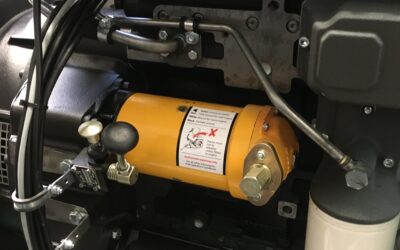
What Is NFPA 20? Engine Starting Requirements for Fire Pumps
NFPA 20 governs how a fire pump engine must start. We cover what the standard requires, and how non-electric hydraulic and air starters provide a dependable backup when mains power cannot be relied on.
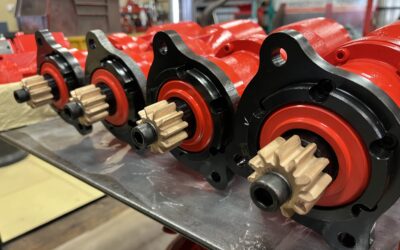
How does a hydraulic engine starter work?
How hydraulic engine starters work, the components involved, and when to choose one for marine, mining and oil and gas applications.
Oil & Gas
Learn more
Mining
Learn more
Marine
Learn more
Power gen
Learn more
Fire Pumps
Learn more
Oil & Gas
Learn more
Mining
Learn more
Marine
Learn more
Power generation
Learn more
Fire Pumps
Learn more