
Inertia vs Pre-Engaged Starter Motors
When you specify a starter for a diesel engine, you are really choosing how the starter pinion meets the ring gear. That decision comes down to two designs: the inertia starter and the pre-engaged starter motor. The difference looks small, but it shapes reliability, wear and, in hazardous areas, whether the starter can be certified at all.

Both types do the same job: they spin the engine fast enough for it to fire. What changes is the order of two events, when the pinion meets the ring gear and when it starts to turn. Get that order right for your application and you get dependable starting with minimal wear. Get it wrong and you risk premature ring-gear damage, or a starter that cannot be used safely in your environment.
What a Starter Motor Does
A starter has to engage a small pinion gear with the larger ring gear on the engine flywheel, then crank the engine over until combustion takes over. That same engagement principle applies whether the starter is electric, air (pneumatic) or hydraulic. On heavy diesel engines, and anywhere mains power or batteries are unreliable, that work is often done by a non-electric starter, but the inertia and pre-engaged distinction applies across all of them.
How an Inertia Starter Works
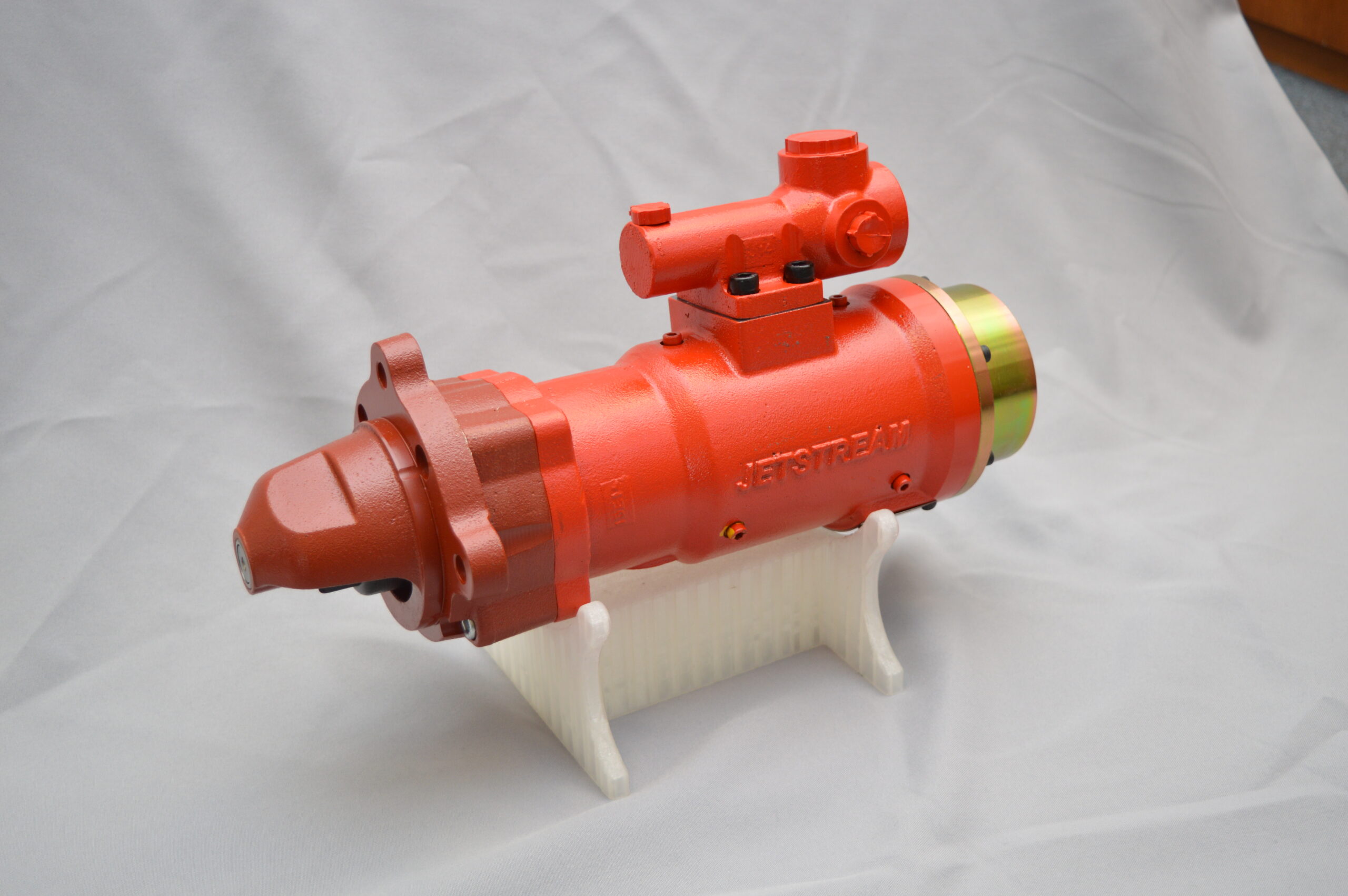
An inertia starter spins its pinion up to speed first. Centrifugal force then throws the pinion forward along a helical shaft until it meets the ring gear, the teeth lock on, and the engine cranks. As soon as the engine fires and the ring gear overruns the pinion, the pinion is thrown back to its resting position.
It is a simple, proven mechanism with few moving parts. Inertia starters tend to be smaller and lighter than a pre-engaged unit of the same cranking torque, which makes them well suited to compact installations and smaller engines. The trade-off is the engagement itself: a spinning pinion striking a stationary ring gear, sometimes called the "smash and grab", which adds wear over many thousands of starts and carries a risk of sparking.
How a Pre-Engaged Starter Works
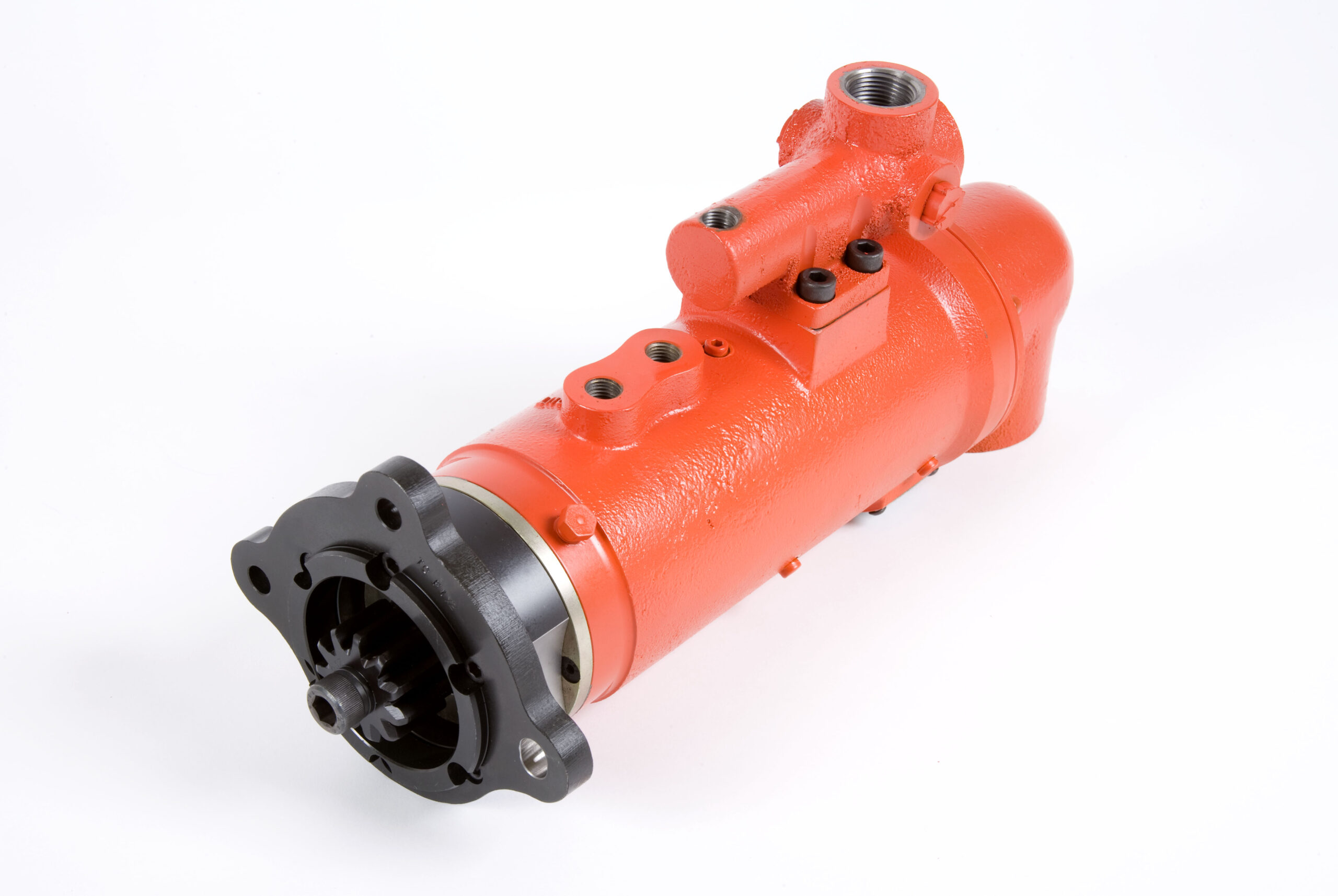
A pre-engaged starter motor reverses the order. A relay or solenoid first pushes the pinion into mesh with the ring gear, and only once the teeth are fully engaged does the motor begin to rotate. There is no high-speed clash of teeth, so engagement is smoother and ring-gear wear is reduced.
A freewheel clutch protects the starter from overspeed once the engine fires, and a return spring retracts the pinion afterwards. Pre-engaged units are typically larger and a little more expensive than the inertia equivalent, but they handle heavy and repeat-start duty better, and they remove the spark risk that matters so much in hazardous areas.
Inertia vs Pre-Engaged: Side by Side
| Feature | Inertia starter | Pre-engaged starter |
|---|---|---|
| Engagement | Pinion spins up first, then is thrown into the ring gear | Pinion is meshed with the ring gear first, then rotates |
| Spark risk | Higher, a spinning pinion strikes a stationary ring gear | Low, teeth are engaged before rotation begins |
| Ring-gear wear | Higher over many starts | Lower, smoother engagement |
| Size and weight | Smaller and lighter for a given torque | Larger for the same torque |
| Relative cost | Lower | Higher |
| Best suited to | Smaller engines, tight installations, non-hazardous areas | Heavy or repeat-start duty, safety-critical and hazardous areas |
| ATEX suitability | Difficult to certify | Suitable, and the usual route to ATEX and IECEx approval |
Why Pre-Engaged Matters for Hazardous Areas

In an explosive atmosphere, such as an offshore platform, a refinery or a mining operation, an ignition source cannot be tolerated. The clash of a spinning inertia pinion against the ring gear can generate a spark, which is why inertia designs struggle to gain certification for these environments. For a starter to be ATEX approved there can be no realistic possibility of a spark, and the pre-engaged design, which meshes the teeth before any rotation, is the way to achieve that.
Safety-critical starting. The same logic applies to standby and emergency engines. On a diesel-driven fire pump governed by NFPA 20, the starter has to work first time, every time, often after long periods standing idle. A clean, controlled engagement is part of that reliability.
Inertia and Pre-Engaged in Non-Electric Starting
The inertia versus pre-engaged choice is not just an electric, automotive question. It applies directly to industrial air starters too, and for heavy diesel and safety-critical duty there are non-electric options that the classic-car world never considers:
| Starting method | Power source | Where it fits |
|---|---|---|
| Air (pneumatic) starters | Compressed air or gas | The most widely used non-electric option, available in both inertia and pre-engaged designs. Strong in cold, remote and hazardous settings. |
| Hydraulic starters | Stored or system hydraulic pressure | Pre-engaged by design, high cranking torque in a compact unit. The M22 and the wider M-series suit heavy engines and ATEX duty. |
| Spring starters | A hand-wound mechanical spring | No external power at all. Ideal for unmanned, emergency and backup engines where any other supply may fail. |
Which Should You Choose?
As a rule of thumb, an inertia starter makes sense where space, weight, simplicity and cost matter most and the environment is safe. A pre-engaged starter is the better call where you need durability under repeat starting, smoother engagement, or, above all, certified safety in a hazardous area.
Some engines can take either. Our JetStream 4 air starter, for example, is offered as both an inertia and a pre-engaged unit, so the same engine can be matched to the right engagement method for its duty and environment rather than forced into one. If you are not sure which suits your engine, our team can specify it for you.
Not sure which engagement type your engine needs? Try the engine starting solution finder for a quick recommendation based on your engine and application.
Frequently Asked Questions
How does a pre-engaged starter motor work?
A relay or solenoid first pushes the pinion into full mesh with the engine ring gear. Only then does the motor rotate to crank the engine. Engaging the teeth before rotation removes the high-speed clash of an inertia starter, reducing wear and the risk of sparking.
What is the difference between an inertia and a pre-engaged starter?
An inertia starter spins its pinion up first and then throws it into the ring gear. A pre-engaged starter meshes the pinion first and then rotates. Inertia units are smaller and cheaper; pre-engaged units engage more smoothly and can be certified for hazardous areas.
Why do inertia starters struggle to get ATEX approval?
An inertia pinion engages while already spinning, so it can strike the stationary ring gear and create a spark. In an explosive atmosphere that is an unacceptable ignition risk, which is why pre-engaged designs are normally required for ATEX and IECEx certified starting.
Are inertia starters still used?
Yes. Where the environment is safe and space or weight is tight, the simplicity, light weight and lower cost of an inertia starter remain genuine advantages. Many air starters, including the JetStream 4, are still offered in an inertia version.
Which is more reliable, inertia or pre-engaged?
Both are reliable when correctly matched to the duty. Pre-engaged starters generally cope better with heavy engines and frequent starting because engagement is smoother and ring-gear wear is lower, which is why they are favoured for safety-critical and standby applications.
Match Your Engine to the Right Starter
Tell us your engine make, model and application, and we will recommend the right starting method, inertia or pre-engaged, air, hydraulic or spring.
Request a Quote