Air starter fault finding: why it will not crank the engine
When an air starter will not crank an engine, the fault is far more often in the air supply than in the starter itself. Low receiver pressure, a restricted inlet, a leaking line, a relay valve that is not opening fully or water carried over from an undrained receiver will all produce the same symptom as a worn starter, and all of them are cheaper to fix.
Diagnosing an air starter properly means measuring the pressure at the starter inlet while it is cranking, not at the receiver while it is standing still. This guide works through the common symptoms, what causes each one, and the order to check things in. It is written for the person standing next to the engine with a job to finish.
Before you start. Isolate and vent the air supply before disconnecting anything. Compressed air at 30 bar is stored energy and a disconnected line will move. Make sure the engine cannot be cranked while anyone is working near the flywheel or the pinion.
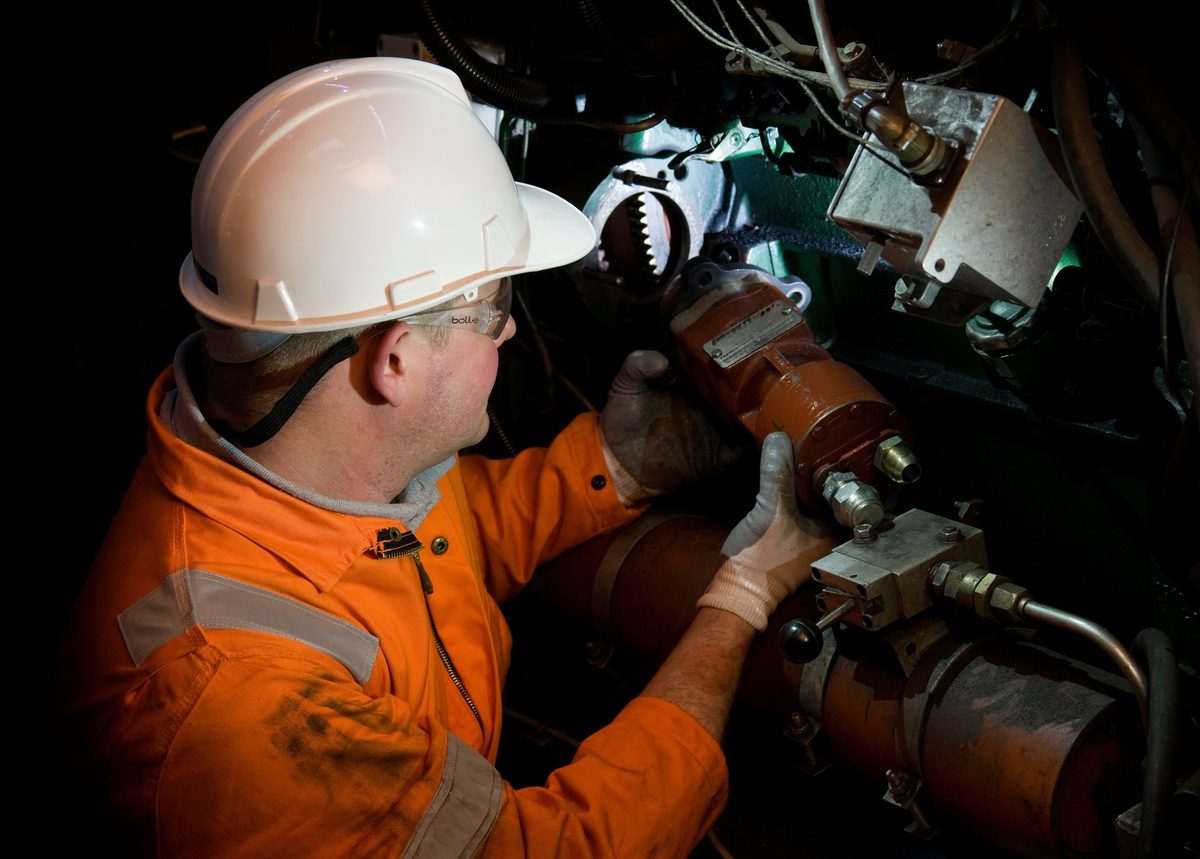
Most air starter faults are diagnosed at the engine, not on the bench.
Start with the one measurement that matters
A pressure gauge on the receiver tells you what is stored. It does not tell you what reaches the starter, and the gap between those two numbers is where most air starting faults live.
Fit a gauge at the starter inlet, or at the nearest point to it, and read the pressure while the starter is actually turning. Static pressure will look fine even when the system cannot deliver flow. If the pressure at the starter collapses under load, the problem is upstream: pipework, filtration, a valve or a leak. If it holds at the specified inlet pressure and the starter still will not turn the engine, the problem is at the starter or the engine.
That single test splits the fault list in half and saves removing a starter that turns out to be sound.
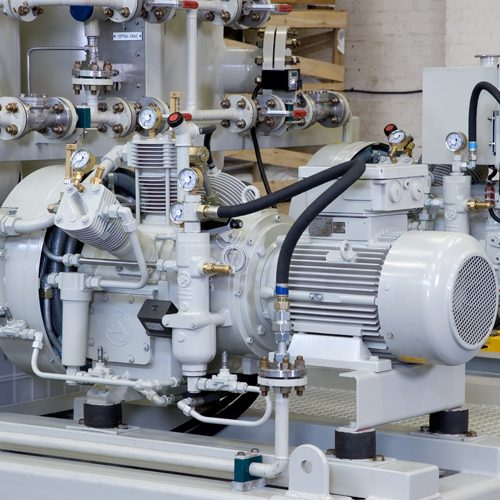
Read the pressure at the starter inlet while it is cranking, not at the receiver while it is standing still.
Symptom: nothing happens at all
| Likely cause | How to check |
|---|---|
| Receiver pressure below the starter's minimum working pressure | Read the receiver gauge. Compare against the specified inlet pressure for the model fitted. |
| Isolation valve closed or partly closed | Trace the line from receiver to starter and confirm every valve position. |
| Relay valve not opening | Check the pilot signal reaches the relay valve when the start control is operated. A relay valve with no pilot will not pass main air. |
| Pilot or control line blocked, kinked or iced | Small bore control lines block easily. Moisture in the system can freeze them in cold conditions. |
| Inlet strainer or filter blocked | Remove and inspect. Rust and scale from an old receiver end up here. |
| Starter internally seized | Only conclude this once full pressure is confirmed at the inlet. |
Symptom: it turns, but too slowly to start the engine
This is the most common complaint and the most commonly misdiagnosed. In our experience the starter is frequently in good order and the system around it has changed.
| Likely cause | How to check |
|---|---|
| Pressure drop under flow | Gauge at the starter inlet during cranking. A big drop points to undersized or restricted pipework, a long run, or too many fittings. |
| Leaks in the supply line | Charge the system, isolate the compressor and watch the receiver gauge over time. A falling gauge with nothing running is a leak. |
| Receiver too small for the duty | Pressure starts adequate and falls away during the crank. See our guide to sizing an air starting system. |
| Wrong pressure specification | Air starters are built for a specified inlet pressure. A unit specified for 30 bar will not perform on a 10 bar supply. |
| Exhaust restricted | A blocked muffler or a crushed exhaust adaptor throttles the unit. Check it is clear and correctly sized. |
| Engine, not starter | Cold oil, high viscosity oil, a partially seized engine or excessive back pressure all make the engine harder to turn. Try turning the engine by hand or on the barring gear. |
Symptom: it spins but does not engage the flywheel
The starter is producing power but not transmitting it. What to look at depends on which type you have, and this is where the inertia and pre-engaged distinction matters practically rather than just on a datasheet.
- Inertia drive not throwing out. The pinion runs out along a helical shaft under its own inertia. Contamination, corrosion or a dry, gummed shaft will stop it travelling. Clean and inspect rather than lubricating heavily, which attracts more contamination.
- Pre-engaged actuator not stroking. On a pre-engaged unit the pinion is pushed into mesh before the motor turns. If the engagement air signal is weak or the actuator is sticking, the motor may spin without the pinion meshing.
- Worn or damaged ring gear. Inspect the ring gear through the inspection port, turning the engine to see the whole circumference. Wear concentrated in one area is common on engines that always stop in a similar position.
- Worn pinion. Look for chipped, rounded or hooked tooth profiles. A worn pinion will damage a good ring gear, so replace both if either is badly worn.
- Incorrect pinion to ring gear clearance. Check the mounting and shimming against the engine manufacturer's figure.
For the difference between the two engagement types and why hazardous area duty calls for pre-engaged, see inertia vs pre-engaged starter motors.
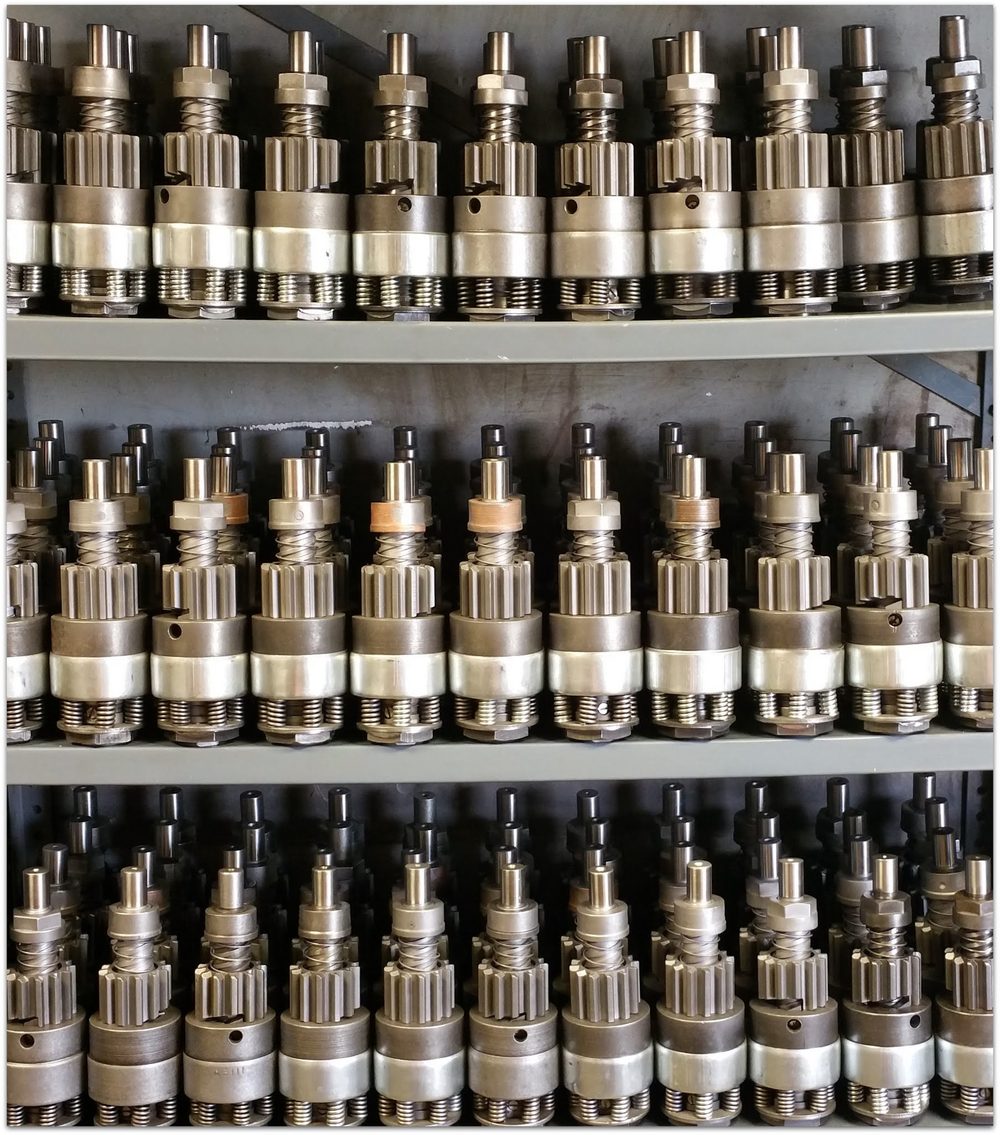
Pinion and drive assemblies. A worn pinion will damage a good ring gear, so inspect both.
Symptom: it engages, but grinds or kicks back
- Ring gear wear or damage at the point of engagement, which is the first thing to inspect.
- Engagement while the engine is still turning. Never re-engage a starter onto a rotating flywheel. Let the engine come to a complete stop first.
- Engine firing back onto the pinion during cranking, usually an engine timing or fuelling issue rather than a starting system one.
- Mounting fault. Loose bolts or a distorted mounting face change the mesh geometry and will chew both gears.
Symptom: the starter keeps running after the engine fires
This one needs attention quickly, because an overrun can drive the starter well beyond its intended speed.
- Relay valve not closing. The most common cause. Check the pilot signal is genuinely being removed when the start control is released, and that the relay valve is not held open by contamination.
- Start control sticking in the operated position.
- Pilot line holding pressure because a bleed or vent path is blocked.
Symptom: ice at the exhaust, or water in the system
Air cools sharply as it expands through the starter, so some frosting at the exhaust during a long crank is normal. Persistent icing, and ice that blocks the exhaust, is a moisture problem.
- Receiver not being drained. Compressed air carries water, and it collects at the bottom of the receiver. If the manual drain has not been used and the automatic drain trap has failed, that water goes down the line to the starter.
- No dryer or a failed dryer on a system that needs one.
- Internal corrosion. Water in the starter causes rust and eventually seizure. If you find rusty water at the inlet, the starter needs inspecting even if it currently works.
Do not add oil. Powerstart air starters run without lubrication and are designed as a fit and forget installation. Adding an inline lubricator or squirting oil into the inlet is not a remedy for a slow crank, and it introduces contamination that will collect in the exhaust and the engagement mechanism.
A diagnostic sequence you can work through
- Read the receiver pressure. Is there enough stored air, and is it at the pressure the starter was specified for?
- Read the pressure at the starter inlet while cranking. If it collapses, work upstream. If it holds, work at the starter and the engine.
- Check for leaks. Charge, isolate, and watch the gauge with nothing running.
- Check the control circuit. Does the pilot signal reach the relay valve, and does it clear when released?
- Check the inlet strainer and the exhaust. Blocked at either end produces the same slow crank.
- Inspect the pinion and ring gear. Turn the engine through a full revolution to see the whole circumference.
- Check the engine turns freely. Barring gear or hand turn. Rule the engine in or out before condemning the starter.
- Drain the receiver and check what comes out. Water and rust tell you a lot about the condition of everything downstream.
Repair, exchange or replace
Once the air supply is ruled out, the decision is usually straightforward.
| Finding | Usual course |
|---|---|
| Worn pinion, sound body | Replace the pinion, and inspect the ring gear before returning to service |
| Engagement mechanism contaminated | Strip, clean and inspect, then fix the air quality problem that caused it |
| Internal corrosion from water carryover | Replace or exchange the unit, and correct the drainage and drying arrangement |
| Seized after overrun | Replace or exchange, and fix the relay valve so it does not recur |
| Unit is correct but the duty has changed | Re-specify. A bigger engine, a longer pipe run or a lower supply pressure all change the requirement |
What we need to supply a replacement
- Engine make, model and capacity in litres
- Working air pressure available at the starter
- The existing starter's mounting flange
- Whether the current unit is inertia or pre-engaged
- Whether the installation is in a classified hazardous area, and if so the zone, gas group and temperature class
- Any markings or part numbers on the existing unit
The Powerstart range covers engines up to 15 litres on the Jetstream 4 and up to 80 litres on the Jetstream 5, at 3, 10 or 30 bar. Full specifications are on the pneumatic starter motors pages.
Preventing the same fault next time
- Drain the receiver on a schedule and check the automatic drain actually works.
- Record receiver pressure at each routine check. A slowly falling trend is a leak you can find before it strands you.
- Keep the inlet strainer clean, particularly on older systems where the receiver interior is corroding.
- Inspect the ring gear whenever the starter is off. It is the cheapest inspection you will ever do and the most expensive one to skip.
- Exercise the engine. A standby engine that is run under load periodically tells you the starting system works while there is still time to fix it.
- Do not add lubricant to a starter designed to run dry.
Frequently asked questions
Why will my air starter not turn the engine?
Most often because the air reaching the starter is not at the pressure or flow it needs, rather than because the starter has failed. Check receiver pressure against the starter's specified inlet pressure, then measure the pressure at the starter inlet while it is cranking. If it collapses under load the fault is upstream, in the pipework, a valve, a blocked strainer or a leak. If it holds and the engine still will not turn, look at the starter and the engine.
Why does my air starter crank slowly?
The usual causes are pressure drop under flow from undersized or restricted pipework, leaks in the supply line, a receiver too small for the duty, a starter specified for a different inlet pressure, or a restricted exhaust. A cold or high viscosity engine will also make the crank look slow when the starting system is sound.
My air starter spins but does not engage. What is wrong?
On an inertia starter the pinion is failing to travel out along its shaft, usually because of contamination or corrosion. On a pre-engaged starter the engagement actuator is not stroking, often from a weak engagement signal or a sticking mechanism. Also inspect the ring gear and the pinion for wear, and check the pinion to ring gear clearance against the engine manufacturer's figure.
Do air starters need lubrication?
No. Powerstart air starters run without lubrication and are designed as a fit and forget installation. Adding an inline lubricator or oil at the inlet is not a fix for a slow crank and introduces contamination that collects in the exhaust and the engagement mechanism.
Why is my air starter icing up at the exhaust?
Air cools sharply as it expands through the starter, so light frosting during a long crank is normal. Persistent icing that blocks the exhaust means moisture is being carried into the starter, usually because the receiver is not being drained or an automatic drain trap has failed. Water carryover also causes internal corrosion, so a starter that has been fed wet air should be inspected even if it still runs.
Why does my air starter keep running after the engine has started?
Almost always because the relay valve is not closing. Check that the pilot signal is genuinely removed when the start control is released, that the start control is not sticking, and that the pilot line has a clear vent path. An overrun can drive the starter beyond its intended speed, so this should be corrected before the engine is put back into service.
How do I know whether to repair or replace an air starter?
Rule the air supply out first, because a sound starter is often replaced unnecessarily. If the body is sound and only the pinion or the engagement mechanism is worn or contaminated, those are serviceable. Internal corrosion from water carryover, or seizure after an overrun, usually means replacement or exchange, and the underlying cause has to be corrected or the new unit will go the same way.
Diagnosed the fault and need the unit?
Send us the engine make and capacity, the available air pressure, the mounting flange and whether the existing unit is inertia or pre-engaged, and we will confirm the model. Request a quote or call +44 (0) 121 818 5080.