
What Is NFPA 20? Engine Starting Requirements for Fire Pumps
When a fire pump is called on, it has to start first time, every time. NFPA 20 is the standard that sets out how those pumps are installed and how their drivers must perform. For diesel-driven fire pumps, that puts the spotlight squarely on one thing: reliable engine starting.
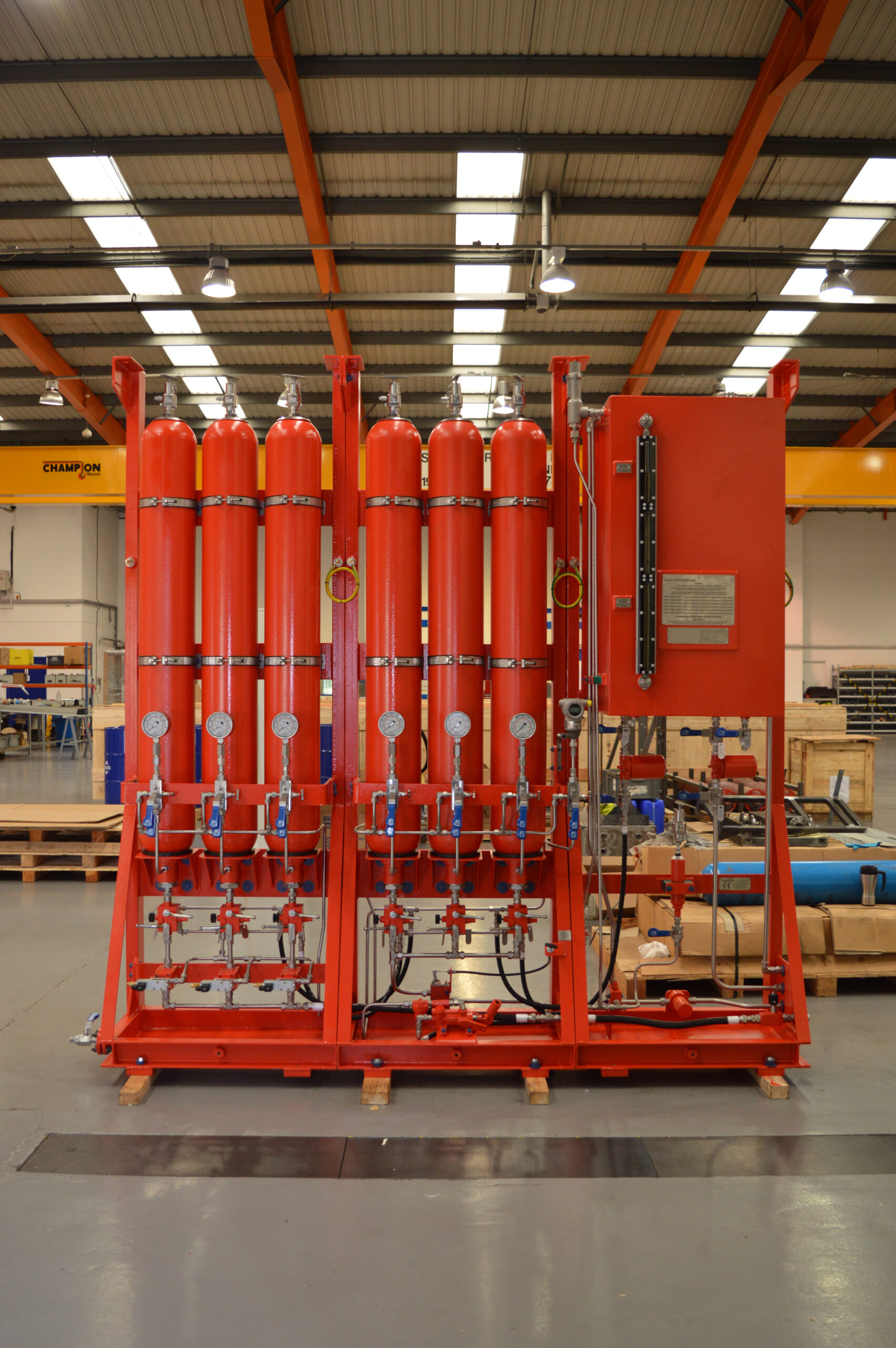
If you specify, install or maintain fire protection systems, you will have come across NFPA 20. It is one of the most widely referenced fire pump standards in the world, and it shapes the engine starting decisions made on everything from high rise buildings to offshore platforms. This guide explains what NFPA 20 covers, why starting reliability is so critical, and where non-electric starters fit in.
What Does NFPA 20 Cover?
NFPA 20 is the Standard for the Installation of Stationary Pumps for Fire Protection, published by the National Fire Protection Association. It governs how fire pumps and their drivers are selected, installed and arranged so the system delivers water at the required pressure and flow during a fire.
It covers both electric motor driven and diesel engine driven fire pumps. For diesel drivers in particular, the standard places heavy emphasis on reliability and redundancy, because the engine has to crank and run on demand even when mains power has failed or the building has been evacuated.
Why Diesel Fire Pump Engines Need Dependable Starting
A fire pump engine is the definition of a critical start. It may sit idle for months, then be expected to fire instantly in the worst possible conditions. The consequences of a no-start are severe, which is why starting arrangements for these engines are scrutinised so closely.
The Limits of Battery Starting
Most diesel fire pump engines start on batteries. Batteries are familiar and cost effective, but they have well known failure modes that matter a great deal on a system that has to work on the first attempt:
- Discharge over time, especially on installations that are rarely exercised.
- Reduced performance in the cold, exactly when cranking demand is highest.
- Corrosion and connection faults that can go unnoticed between inspections.
- Maintenance dependency, which is a real risk on remote or unmanned sites.
None of this rules batteries out, but it does explain why engineers working on critical pumps look for starting methods that do not depend on a charged battery being available at the moment of truth.
Where Non-Electric Starting Fits
This is where non-electric starting earns its place. A hydraulic starter or an air starter can crank a fire pump engine with no reliance on an electrical supply, giving the engine a dependable means of starting that sits outside the battery system entirely.
Hydraulic Starters
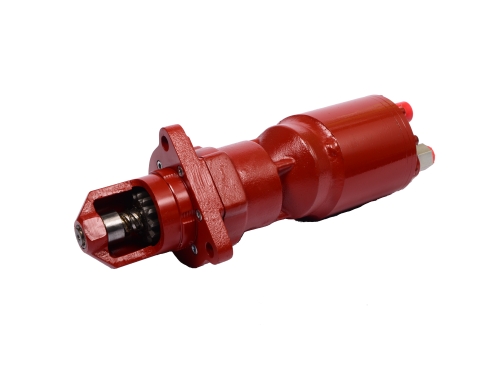
Powerstart's M-Series hydraulic starters crank the engine using stored hydraulic pressure, released on demand from accumulators, with a range spanning roughly 30 Nm to 216 Nm. They deliver high torque in a compact package and suit installations where a hydraulic supply is already on site or where very high cranking torque is needed. NFPA 20 addresses hydraulic cranking systems directly, including how the stored capacity must be sized for sustained cranking.
Air Starters
Where a compressed air supply is available, Powerstart's Jetstream air starters crank the engine on stored compressed air, with no battery and no electrical dependency. Air starting is well proven on larger diesel engines, and it is one of the cranking methods NFPA 20 specifically covers, with requirements for the air supply to be sized for sustained cranking on demand.
The reliability argument in one line: a non-electric starter gives a fire pump engine a means of starting that does not flatten, does not corrode and does not need mains power. Explore the options on our fire pump engine starters page and our NFPA 20 fire pump starting systems page.
Choosing a Starter for an NFPA 20 Fire Pump Engine
The right choice depends on the engine and the installation rather than the standard alone. The questions worth working through are:
- Engine size and cranking torque required to start reliably from cold.
- Available power source on site, whether that is stored air or hydraulic pressure.
- Environment, including temperature extremes and whether the location is hazardous or unmanned.
- Redundancy strategy, and whether the non-electric starter is the primary method or a backup to batteries.
The same reliability thinking applies well beyond fire protection. It is exactly why non-electric starting is specified across standby power generation too.

Specifying a Fire Pump Engine Starter?
Tell us your engine make, model and application and our team will recommend the right non-electric starting solution.
Request a Quote